
Breathing is something most people take for granted until a medical condition makes it difficult. For individuals suffering from respiratory disorders, maintaining healthy oxygen levels is essential for daily life and overall well-being. This is where an oxygen concentrator becomes a valuable medical device.
Oxygen concentrators have become increasingly popular for patients dealing with low blood oxygen levels due to chronic illnesses, recovery after surgery, or other respiratory conditions. Unlike traditional oxygen cylinders, oxygen concentrators provide a continuous supply of oxygen without the need for frequent refills.
In this article, we will explain what an oxygen concentrator is, how it works, its benefits, types, uses, and why many people prefer oxygen concentrators for home healthcare.
Also Read: Best Hospital Bed on Rent in Delhi at Affordable Prices
What Is an Oxygen Concentrator?
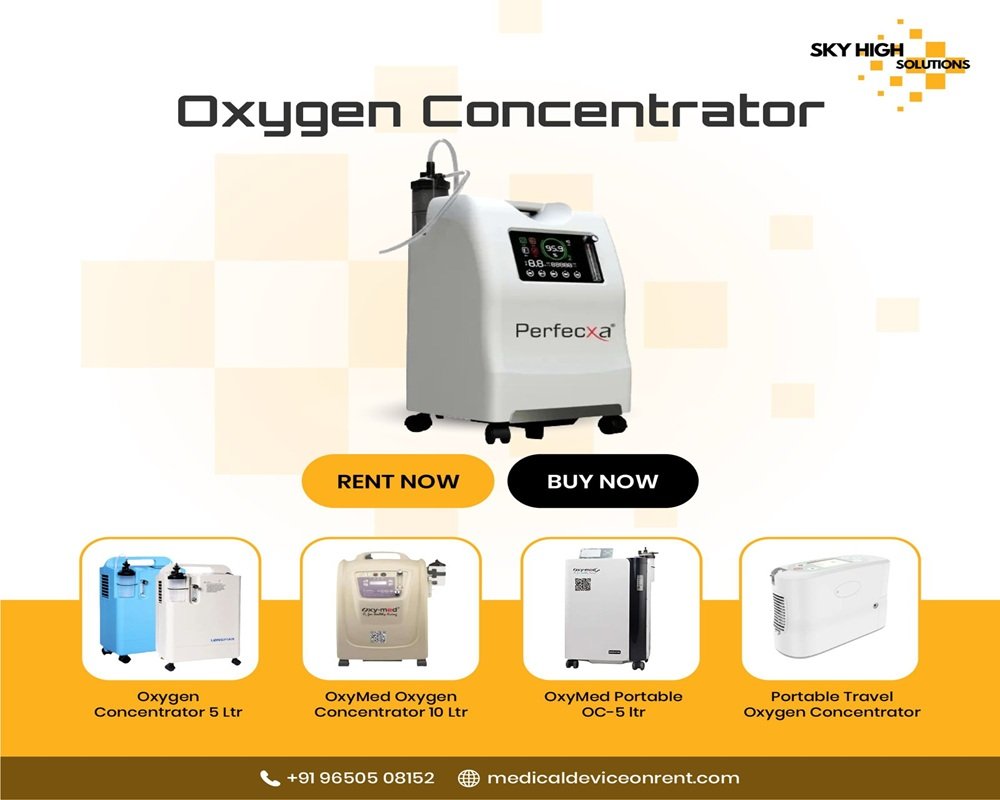
An oxygen concentrator is a medical device designed to deliver oxygen-rich air to individuals who require oxygen therapy. It works by taking in normal room air, filtering it, removing nitrogen, and delivering concentrated oxygen to the user.
The air we breathe contains approximately:
- 78% Nitrogen
- 21% Oxygen
- 1% Other gases
An oxygen concentrator increases the oxygen concentration from around 21% to approximately 90–95%, making it easier for patients with respiratory issues to breathe effectively.
Unlike oxygen cylinders that store a fixed amount of oxygen, oxygen concentrators continuously generate oxygen as long as the device has power.
Also Read: Oxygen Cylinders: Types, Uses and Parts Explained
How Does an Oxygen Concentrator Work?
Understanding how an oxygen concentrator works can help patients and caregivers use the device more confidently.
Step 1: Air Intake
The concentrator pulls in air from the surrounding environment through a filter system.
Step 2: Air Filtration
The incoming air passes through filters that remove dust, bacteria, allergens, and other impurities.
Step 3: Nitrogen Separation
The device uses a technology called Pressure Swing Adsorption (PSA). Inside the concentrator, special sieve beds filled with zeolite material separate nitrogen from oxygen.
Nitrogen is trapped within the sieve beds while oxygen passes through.
Step 4: Oxygen Concentration
The oxygen-rich air is collected and concentrated to achieve purity levels of around 90–95%.
Step 5: Oxygen Delivery
The purified oxygen is delivered to the patient through:
- Nasal cannula
- Oxygen mask
- Other oxygen delivery accessories
This process continues continuously, providing a reliable oxygen supply whenever needed.
Why Do People Need an Oxygen Concentrator?
Doctors prescribe oxygen concentrators when a patient’s blood oxygen level falls below the normal range.
Common conditions requiring oxygen therapy include:
Chronic Obstructive Pulmonary Disease (COPD)
COPD affects airflow and makes breathing difficult. Oxygen therapy helps improve oxygen levels and quality of life.
Asthma
Severe asthma attacks may reduce oxygen intake, requiring supplemental oxygen.
Pneumonia
Lung infections can affect oxygen exchange, making oxygen support necessary.
COVID-19 Recovery
Many patients recovering from severe COVID-19 require temporary oxygen support during recovery.
Pulmonary Fibrosis
This condition causes lung scarring, making oxygen therapy essential for many patients.
Heart Conditions
Certain heart diseases can reduce oxygen circulation throughout the body.
Sleep Apnea and Other Respiratory Disorders
Some patients benefit from oxygen support during sleep or while managing chronic breathing problems.
Types of Oxygen Concentrators
There are two primary types of oxygen concentrators available today.
1. Stationary Oxygen Concentrators
These units are designed for home use.
Features:
- Higher oxygen output
- Continuous oxygen supply
- Suitable for long-term therapy
- Operates on electricity
Best For:
- Home healthcare
- Chronic respiratory conditions
- Elderly patients
2. Portable Oxygen Concentrators
Portable oxygen concentrators are lightweight and easy to carry.
Features:
- Battery-operated
- Compact design
- Travel-friendly
- Suitable for active lifestyles
Best For:
- Travel
- Outdoor activities
- Working professionals
- Patients who require mobility
Benefits of Using an Oxygen Concentrator
Continuous Oxygen Supply
Unlike cylinders that eventually run out, oxygen concentrators continuously produce oxygen.
Cost-Effective Solution
Over time, oxygen concentrators can be more economical than repeatedly refilling oxygen cylinders.
Easy to Use
Most modern machines have user-friendly controls and digital displays.
Safe Operation
Since oxygen is generated on demand, there is no need to store large quantities of compressed oxygen.
Improved Quality of Life
Patients often experience:
- Better sleep
- Increased energy
- Reduced breathlessness
- Improved physical activity
Home Convenience
Patients can receive oxygen therapy from the comfort of their homes without frequent hospital visits.
Oxygen Concentrator vs Oxygen Cylinder
| Feature | Oxygen Concentrator | Oxygen Cylinder |
|---|---|---|
| Oxygen Supply | Continuous | Limited |
| Refilling Required | No | Yes |
| Cost Over Time | Lower | Higher |
| Portability | Available in portable models | Limited |
| Maintenance | Low | Moderate |
| Home Use | Excellent | Suitable |
For long-term oxygen therapy, many healthcare professionals recommend oxygen concentrators due to their convenience and reliability.
How to Use an Oxygen Concentrator Safely
To ensure safe and effective oxygen therapy, follow these guidelines:
Keep the Device Clean
Regularly clean filters and follow manufacturer instructions.
Ensure Proper Ventilation
Place the concentrator in a well-ventilated area with adequate airflow.
Avoid Smoking
Never smoke near oxygen equipment, as oxygen supports combustion.
Monitor Oxygen Levels
Use a pulse oximeter to track oxygen saturation levels if advised by your doctor.
Follow Medical Advice
Always use oxygen flow rates prescribed by your healthcare provider.
Signs You May Need Oxygen Therapy
While only a doctor can diagnose oxygen deficiency, common symptoms include:
- Shortness of breath
- Rapid breathing
- Fatigue
- Dizziness
- Chest discomfort
- Bluish lips or fingertips
- Difficulty performing routine activities
If you experience these symptoms, consult a healthcare professional immediately.
Renting vs Buying an Oxygen Concentrator
Many families wonder whether they should rent or purchase an oxygen concentrator.
When Renting Is Better
- Temporary oxygen requirement
- Post-surgery recovery
- COVID recovery support
- Short-term respiratory treatment
When Buying Is Better
- Long-term oxygen therapy
- Chronic respiratory conditions
- Daily oxygen dependence
Renting often provides a cost-effective solution for patients requiring oxygen support for a limited period.
Conclusion
An oxygen concentrator is a life-enhancing medical device that helps individuals maintain healthy oxygen levels and breathe more comfortably. By extracting oxygen from room air and delivering concentrated oxygen directly to the patient, these devices provide a reliable and efficient alternative to traditional oxygen cylinders.
Whether recovering from illness, managing a chronic respiratory condition, or requiring long-term oxygen therapy, an oxygen concentrator can significantly improve comfort, mobility, and overall quality of life.
If you are looking for a reliable oxygen concentrator for home use, short-term recovery, or long-term respiratory care, Medical Equipment on Rent offers high-quality oxygen concentrators on rent and sale at affordable prices. Our team provides expert guidance, doorstep delivery, and dependable support to help patients receive the oxygen therapy they need in the comfort of their homes.