
Sleep is essential for maintaining good health, but millions of people struggle with poor-quality sleep due to a condition known as sleep apnea. Sleep apnea is a serious sleep disorder that causes breathing to repeatedly stop and start during sleep. Many people live with sleep apnea without even realizing it, often dismissing symptoms as normal fatigue or stress.
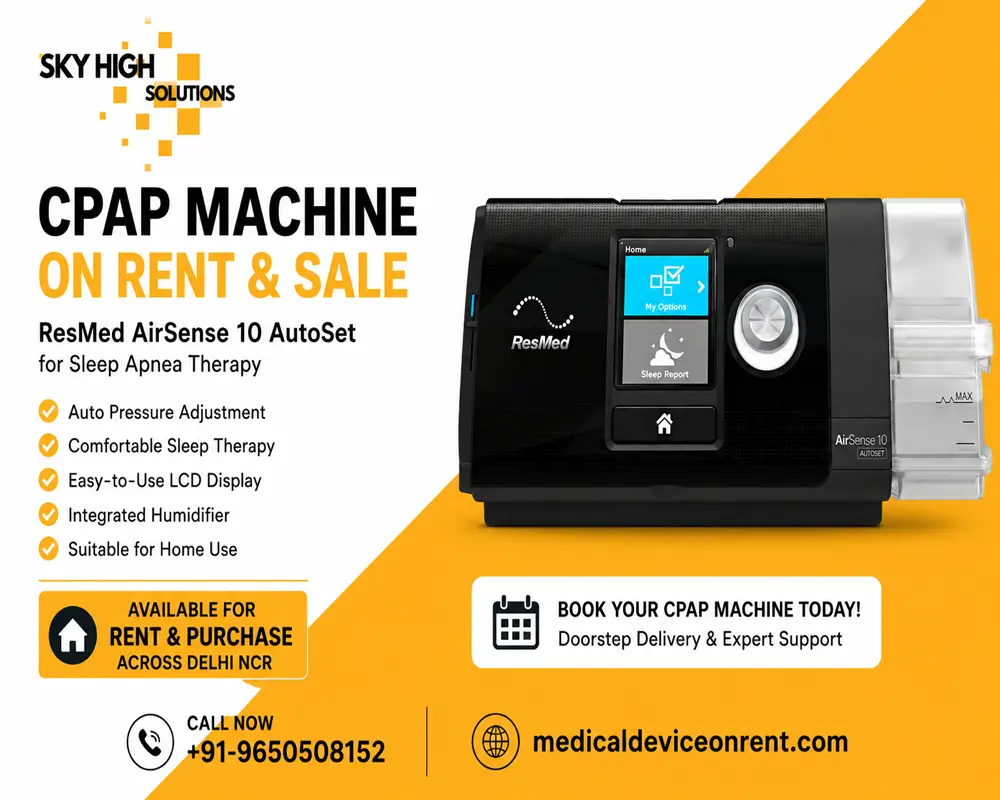
One of the most effective treatments for obstructive sleep apnea is Continuous Positive Airway Pressure (CPAP) therapy. A CPAP machine helps keep the airway open during sleep, allowing patients to breathe properly and enjoy restful sleep throughout the night.
But how do you know if you need a CPAP machine? In this guide, we’ll discuss the common signs and symptoms of sleep apnea, how CPAP therapy works, and when you should consider using a CPAP machine.
What Is Sleep Apnea?
Sleep apnea is a condition in which breathing repeatedly stops and starts while sleeping. The most common type is Obstructive Sleep Apnea (OSA), which occurs when the muscles in the throat relax excessively, blocking the airway.
These breathing interruptions can last from a few seconds to over a minute and may occur dozens or even hundreds of times per night. As a result, the brain and body receive less oxygen, leading to poor sleep quality and several health complications.
Common Signs You May Need a CPAP Machine
1. Loud and Frequent Snoring
One of the most noticeable signs of sleep apnea is loud snoring. While not everyone who snores has sleep apnea, persistent and heavy snoring can indicate airway obstruction during sleep.
If family members regularly complain about your snoring or notice that it disrupts their sleep, it may be time to consult a healthcare professional.
2. Pauses in Breathing During Sleep
A major warning sign of sleep apnea is when someone observes you stopping breathing while sleeping. These pauses are often followed by choking, gasping, or snorting sounds as your body struggles to reopen the airway.
Many patients are unaware of these episodes until a spouse, partner, or family member points them out.
3. Excessive Daytime Sleepiness
Do you often feel tired even after a full night’s sleep?
People with untreated sleep apnea frequently wake up feeling exhausted because their sleep is constantly interrupted. Excessive daytime sleepiness can affect concentration, productivity, and overall quality of life.
You may find yourself:
- Falling asleep while watching TV
- Feeling drowsy during meetings
- Struggling to stay awake while driving
- Experiencing fatigue throughout the day
4. Morning Headaches
Sleep apnea can reduce oxygen levels in the blood during sleep. This oxygen deprivation may lead to morning headaches that occur frequently and disappear later in the day.
If you regularly wake up with headaches and cannot identify another cause, sleep apnea may be a contributing factor.
5. Difficulty Concentrating
Poor sleep quality affects brain function. Many individuals with sleep apnea experience:
- Memory problems
- Reduced focus
- Difficulty making decisions
- Poor concentration at work or school
If you feel mentally foggy despite getting enough hours of sleep, sleep apnea could be the underlying issue.
6. Frequent Nighttime Awakenings
People with sleep apnea often wake up multiple times during the night without realizing why. These awakenings occur because the brain briefly alerts the body to resume breathing.
As a result, sleep becomes fragmented and less restorative.
7. Choking or Gasping During Sleep
Waking up suddenly with a sensation of choking, suffocating, or gasping for air is another common symptom of obstructive sleep apnea.
This occurs when the airway becomes blocked and the body struggles to restore normal breathing.
8. High Blood Pressure
Research has shown a strong connection between sleep apnea and hypertension (high blood pressure). Repeated oxygen deprivation puts stress on the cardiovascular system and may contribute to:
- High blood pressure
- Heart disease
- Stroke risk
- Irregular heart rhythms
Patients with difficult-to-control hypertension are often advised to undergo sleep apnea evaluation.
9. Mood Changes and Irritability
Poor sleep affects emotional well-being. Untreated sleep apnea may lead to:
- Irritability
- Anxiety
- Depression
- Mood swings
- Increased stress levels
Many patients notice significant improvements in mood after starting CPAP therapy.
10. Reduced Energy Levels
Even simple daily activities can feel exhausting when sleep quality is poor. If you consistently lack energy and motivation despite adequate sleep duration, sleep apnea may be preventing your body from reaching restorative sleep stages.
How a CPAP Machine Helps
A CPAP machine delivers a continuous flow of pressurized air through a mask worn during sleep. This airflow keeps the airway open and prevents breathing interruptions.
Benefits of CPAP therapy include:
- Better sleep quality
- Reduced snoring
- Increased oxygen levels
- Improved daytime alertness
- Better concentration and memory
- Reduced risk of cardiovascular complications
- Improved mood and energy levels
Many patients report noticeable improvements within just a few days or weeks of regular CPAP use.
Who Should Get Tested for Sleep Apnea?
You should consider a sleep study if you experience several of the following symptoms:
- Loud snoring
- Witnessed breathing pauses
- Excessive daytime sleepiness
- Morning headaches
- High blood pressure
- Obesity
- Choking during sleep
- Persistent fatigue
A sleep specialist can perform diagnostic tests to determine whether sleep apnea is present and recommend appropriate treatment.
Tips for Successful CPAP Therapy
If you are prescribed a CPAP machine, these tips can help you adapt more comfortably:
Use It Every Night
Consistent use provides the best results and allows your body to adjust more quickly.
Keep the Equipment Clean
Regular cleaning prevents infections and improves machine performance.
Ensure Proper Mask Fit
A properly fitted mask reduces air leaks and increases comfort.
Follow Medical Advice
Work closely with your healthcare provider to optimize pressure settings and treatment effectiveness.
Be Patient
It may take several days or weeks to fully adjust to CPAP therapy, but the long-term health benefits are worth the effort.
Conclusion
Sleep apnea is more than just loud snoring—it is a serious medical condition that can negatively impact your sleep, health, and quality of life. Symptoms such as excessive daytime sleepiness, morning headaches, breathing pauses during sleep, choking episodes, and chronic fatigue should never be ignored.
A CPAP machine is one of the most effective treatments for sleep apnea and can significantly improve sleep quality, energy levels, and overall health. If you recognize these warning signs, consult a healthcare professional and consider a sleep study for proper diagnosis.
For patients seeking reliable and affordable CPAP machines and other respiratory support devices, Medical Equipment on Rent offers convenient rental and purchase options for home healthcare needs. Whether you need a CPAP machine, BiPAP machine, oxygen concentrator, hospital bed, or other patient care equipment, Medical Equipment on Rent helps make quality healthcare accessible and affordable at home.