
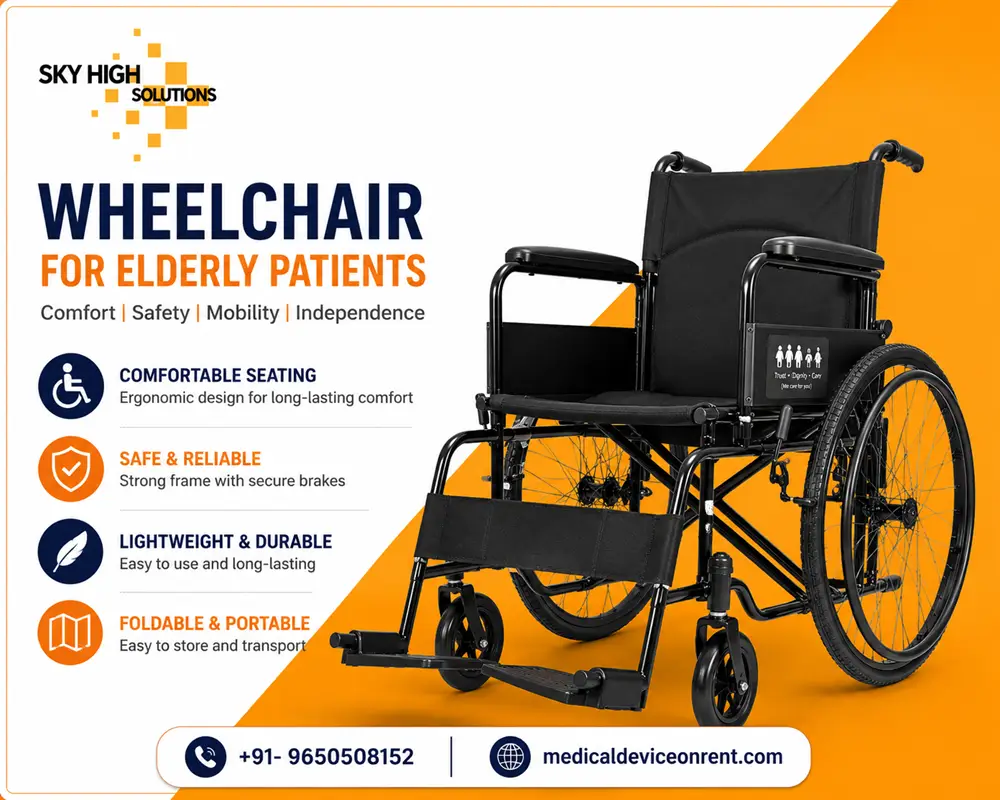
Choosing the right wheelchair for elderly patients is an important decision that can greatly improve comfort, mobility, and independence. As people age, medical conditions such as arthritis, stroke, Parkinson’s disease, fractures, or general muscle weakness can make walking difficult. A well-selected wheelchair provides the necessary support while helping seniors maintain a better quality of life.
Whether you are caring for an aging parent or recovering from surgery, understanding the different types of wheelchairs and the factors to consider before choosing one will help you make the best decision.
Why Choosing the Right Wheelchair Matters

A wheelchair is more than just a mobility aid—it plays a vital role in ensuring safety, reducing the risk of falls, and supporting everyday activities. The right wheelchair can:
- Improve mobility and independence
- Reduce caregiver strain
- Enhance comfort during prolonged sitting
- Prevent pressure sores with proper cushioning
- Increase confidence and participation in daily life
- Make transportation and hospital visits easier
Selecting the wrong wheelchair may lead to discomfort, poor posture, fatigue, and difficulty moving around.
Also Read: Best Hospital Bed on Rent in Gurgaon
Types of Wheelchairs for Elderly Patients
1. Manual Wheelchair
A manual wheelchair is lightweight, affordable, and suitable for seniors who have enough upper body strength or have a caregiver to assist with movement.
Best for:
- Short-distance travel
- Indoor use
- Temporary recovery
- Budget-friendly mobility
2. Electric Wheelchair
An electric wheelchair is powered by rechargeable batteries and controlled using a joystick. It offers greater independence for seniors with limited strength or mobility.
Best for:
- Long-term mobility
- Outdoor movement
- Individuals with limited arm strength
- Independent users
3. Transport Wheelchair
Transport wheelchairs are lightweight and designed to be pushed by a caregiver. They are ideal for hospital visits, travel, and short outings.
Best for:
- Medical appointments
- Airport travel
- Temporary assistance
4. Foldable Wheelchair
Foldable wheelchairs are easy to store and transport, making them an excellent choice for families who travel frequently or have limited storage space.
Factors to Consider Before Choosing a Wheelchair
1. Mobility Level
Assess whether the elderly person can move independently or requires caregiver assistance. This will determine whether a manual, transport, or electric wheelchair is the best option.
2. Comfort
Comfort is essential, especially if the wheelchair will be used for several hours each day. Look for:
- Padded seating
- Comfortable backrest
- Adjustable armrests
- Proper leg support
- Pressure-relieving cushions
3. Weight Capacity
Choose a wheelchair that safely supports the user’s weight while ensuring durability and stability.
4. Seat Size
The correct seat width and depth help prevent discomfort and skin irritation. A properly fitted wheelchair also improves posture and makes transfers easier.
5. Indoor or Outdoor Use
Consider where the wheelchair will be used most often.
Indoor wheelchairs
- Compact design
- Easier to maneuver
- Smaller turning radius
Outdoor wheelchairs
- Larger wheels
- Better suspension
- Stronger frame
- Improved stability on uneven surfaces
6. Portability
If the wheelchair needs to fit inside a car, choose a lightweight, foldable model that is easy to transport.
7. Safety Features
Important safety features include:
- Wheel locks
- Anti-tip wheels
- Seat belt
- Adjustable footrests
- Durable frame
- Reliable brakes
Manual vs Electric Wheelchair
| Feature | Manual Wheelchair | Electric Wheelchair |
|---|---|---|
| Cost | Lower | Higher |
| Power Source | User or caregiver | Battery-powered |
| Maintenance | Minimal | Moderate |
| Best For | Temporary use | Long-term mobility |
| Independence | Limited | High |
| Outdoor Performance | Moderate | Excellent |
The best choice depends on the patient’s physical condition, lifestyle, and budget.
Should You Rent or Buy a Wheelchair?
Many families wonder whether renting or purchasing is the better option.
Renting is Ideal When:
- Recovery is temporary
- After surgery
- Post-hospital discharge
- Short-term rehabilitation
- Medical condition is expected to improve
Buying is Better When:
- Long-term mobility support is required
- Daily use is expected for years
- Customized wheelchair features are needed
Benefits of Renting a Wheelchair
Wheelchair rental has become a popular option because it offers flexibility and affordability.
Benefits include:
- Lower upfront cost
- No maintenance expenses
- Access to high-quality equipment
- Flexible rental duration
- Quick replacement if needed
- Convenient home delivery
For families needing short-term support, renting can be a practical and cost-effective solution.
Safety Tips for Wheelchair Users
Follow these tips to ensure safe and comfortable wheelchair use:
- Always lock the brakes before sitting or standing.
- Use seat belts when recommended.
- Maintain proper sitting posture.
- Keep the wheelchair clean and well-maintained.
- Check tire pressure and brakes regularly.
- Avoid steep slopes without assistance.
- Replace worn-out cushions when necessary.
Proper maintenance increases both safety and the lifespan of the wheelchair.
Frequently Asked Questions
Which wheelchair is best for elderly patients?
The best wheelchair depends on the individual’s mobility, strength, weight, and daily activities. Manual wheelchairs are suitable for many seniors, while electric wheelchairs offer greater independence for those with limited mobility.
Is an electric wheelchair better than a manual wheelchair?
Electric wheelchairs are ideal for seniors who cannot propel a manual wheelchair independently. Manual wheelchairs are more affordable, lightweight, and easier to transport.
Can I rent a wheelchair for home use?
Yes. Renting is an excellent option for temporary recovery after surgery, injury, or hospital discharge. It provides flexibility without the cost of purchasing new equipment.
How do I know the correct wheelchair size?
Measure the user’s hip width, seat depth, and leg length. A properly fitted wheelchair improves comfort, posture, and safety.
How often should a wheelchair be serviced?
Routine inspections should be carried out regularly. Brakes, tires, wheels, and moving parts should be checked periodically to ensure safe operation.
Conclusion
Choosing the right wheelchair for elderly patients can make a significant difference in comfort, safety, and independence. By considering factors such as mobility level, wheelchair type, comfort, portability, and safety features, families can select the most suitable option for their loved ones.
If you need a wheelchair on rent or other medical equipment on rent, renting can be a convenient and budget-friendly solution. Quality mobility equipment supports faster recovery, enhances daily living, and provides peace of mind for both patients and caregivers.