
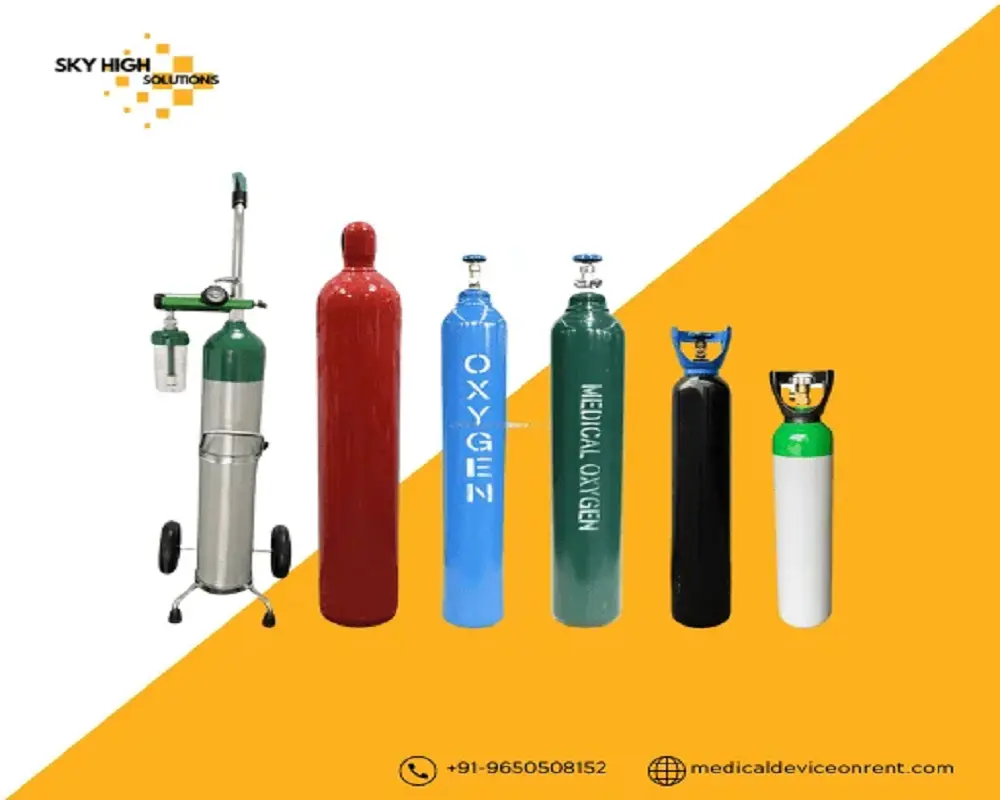
Oxygen therapy at home has become an essential requirement for many patients suffering from respiratory conditions, post-surgical recovery, or age-related breathing difficulties. Choosing the right type of oxygen cylinders for home use is crucial for safety, comfort, and effective oxygen delivery. With multiple options available, patients and caregivers often feel confused about which one is best. This detailed guide will help you understand the types of oxygen cylinders and make an informed decision for home care.
Why Choosing the Right Oxygen Cylinder Matters
Using the correct oxygen cylinder ensures:
- Continuous and adequate oxygen supply
- Ease of use for patients and caregivers
- Better mobility and comfort
- Cost-effective long-term usage
- Reduced risk of leakage or misuse
Factors such as oxygen flow rate, patient mobility, usage duration, and medical advice play a vital role in selecting the right cylinder.
Common Types of Oxygen Cylinders for Home Use
1. Small Portable Oxygen Cylinders
Portable oxygen cylinders are compact, lightweight, and easy to move. These are suitable for patients who need oxygen for short durations or occasional use.
Best for:
- Mild breathing issues
- Patients who are mobile
- Outdoor or travel use
Advantages:
- Easy to carry
- Quick oxygen support
- Ideal for emergency backup
Limitations:
- Limited oxygen capacity
- Not suitable for long-term continuous use
2. Medium Oxygen Cylinders (D-Type)
Medium-sized oxygen cylinders are the most commonly used option for home oxygen therapy. They provide a balanced combination of portability and oxygen capacity.
Best for:
- Patients requiring oxygen for several hours daily
- Post-COVID recovery
- Elderly patients
Advantages:
- Longer oxygen supply compared to small cylinders
- Easy to manage at home
- Compatible with oxygen regulators and humidifiers
Limitations:
- Requires refilling or replacement
- Slightly heavier than portable cylinders
3. Large Oxygen Cylinders (B-Type)
Large oxygen cylinders are ideal for patients who require continuous oxygen support throughout the day or night.
Best for:
- Chronic respiratory conditions like COPD
- Bedridden patients
- Long-term oxygen therapy
Advantages:
- High oxygen storage capacity
- Suitable for uninterrupted oxygen supply
- Cost-effective for long-term use
Limitations:
- Not portable
- Requires proper space and handling
Oxygen Cylinder vs Oxygen Concentrator: Which Is Better?
Oxygen Cylinder vs Oxygen Concentrator: Many people compare oxygen cylinders and oxygen concentrators for home oxygen therapy. While oxygen concentrators generate oxygen from the air, oxygen cylinders store medical-grade oxygen.
Oxygen Cylinders are better when:
- High flow oxygen is required
- Power cuts are frequent
- Immediate oxygen delivery is needed
Oxygen Concentrators are better when:
- Oxygen is required for long hours daily
- Power supply is stable
- Maintenance access is available
In many homes, a combination of oxygen concentrator and oxygen cylinder backup works best.
Key Factors to Consider Before Choosing an Oxygen Cylinder
-
Doctor’s Prescription
Always follow the recommended oxygen flow rate (LPM) and duration. -
Usage Duration
Short-term needs can be met with portable or medium cylinders, while long-term therapy requires larger cylinders. -
Mobility Requirements
Active patients may benefit from portable oxygen cylinders. -
Refilling & Availability
Ensure easy access to refilling or replacement services. -
Safety & Accessories
Use proper oxygen regulators, flow meters, and humidifier bottles for safe usage.
Safety Tips for Using Oxygen Cylinders at Home
- Keep cylinders away from heat and open flames
- Store in an upright position
- Avoid oil or grease near oxygen equipment
- Check for leaks regularly
- Follow prescribed oxygen flow only
Proper safety ensures effective therapy and prevents accidents.
Renting vs Buying an Oxygen Cylinder
For many families, renting an oxygen cylinder is more practical than purchasing one, especially for short-term or recovery-based needs.
Benefits of Renting:
- Lower upfront cost
- Maintenance support
- Easy replacement
- Flexible duration
Platforms like Medical Device on Rent provide reliable and hygienic oxygen cylinders with doorstep delivery, making home oxygen therapy hassle-free.
So, Which Oxygen Cylinder Is Best for Patients at Home?
- For mild or occasional use: Small portable oxygen cylinder
- For moderate daily use: Medium (D-type) oxygen cylinder
- For continuous oxygen therapy: Large (B-type) oxygen cylinder
The best option depends on the patient’s medical condition, oxygen requirement, and lifestyle. Consulting a healthcare professional before finalising is always recommended.
Final Thoughts
Selecting the right oxygen cylinder for home use can significantly improve a patient’s comfort and recovery journey. Understanding the types, benefits, and limitations helps caregivers make confident decisions. For those looking for dependable oxygen cylinders and other medical equipment, Medical Device on Rent offers trusted solutions designed to support patients with quality care at home.