
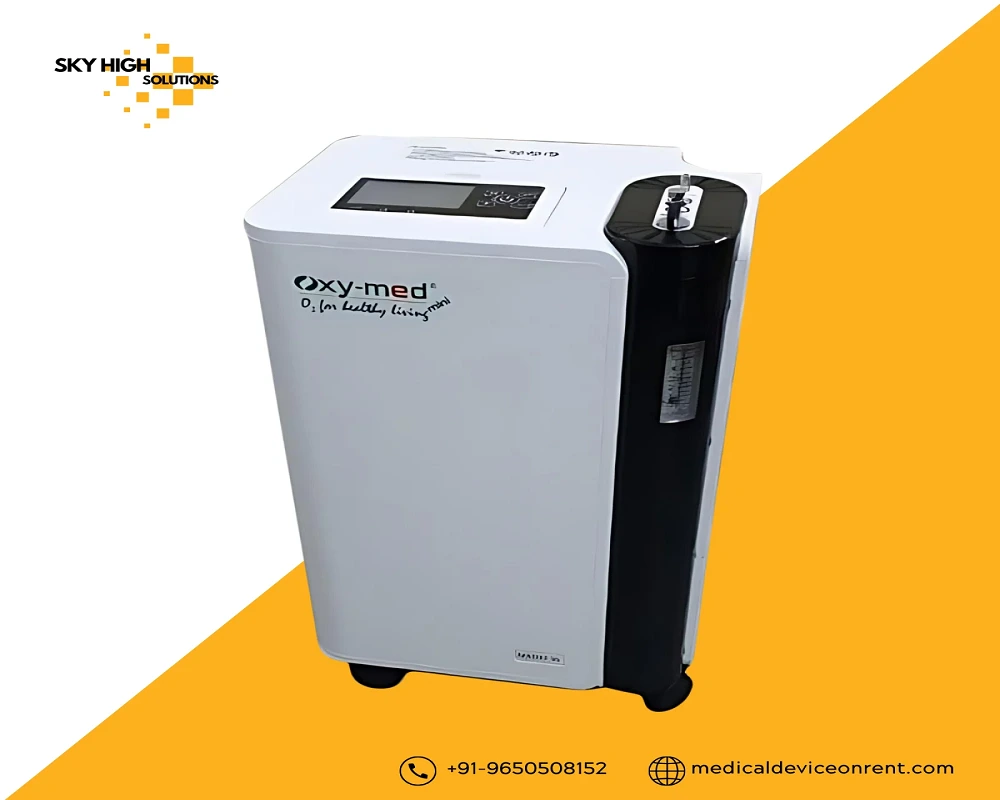
When a patient needs oxygen therapy at home, one of the first questions families ask doctors is Oxygen Cylinder vs Oxygen Concentrator – which is better? Both devices are widely used for respiratory support, but they work differently and are suitable for different medical situations. Understanding the difference between an oxygen cylinder vs oxygen concentrator can help patients and caregivers make a safe, cost-effective, and doctor-approved choice.
This guide explains how each option works, their pros and cons, and what doctors usually recommend when comparing oxygen cylinder vs oxygen concentrator based on individual patient needs.
Understanding Oxygen Therapy at Home
Oxygen therapy is prescribed when a patient’s blood oxygen level drops below normal. This can happen due to conditions such as COPD, asthma, pneumonia, post-COVID recovery, heart conditions, or during post-surgical care. The goal of oxygen therapy is to maintain adequate oxygen levels, reduce breathlessness, and improve overall quality of life.
Doctors assess factors like oxygen flow requirement, duration of therapy, patient mobility, and home setup before recommending the right oxygen source.
What Is an Oxygen Cylinder?
An oxygen cylinder is a metal tank filled with compressed medical-grade oxygen. It delivers oxygen through a regulator and mask or nasal cannula. Cylinders are available in different sizes, from small portable ones to large cylinders for continuous use.
Advantages of Oxygen Cylinders
- Immediate oxygen supply: No setup time is needed; oxygen is available instantly.
- No electricity required: Useful during power cuts or in areas with unreliable electricity.
- High oxygen flow: Suitable for patients needing high flow rates for short periods.
Limitations of Oxygen Cylinders
- Limited oxygen supply: Once empty, the cylinder must be refilled or replaced.
- Heavy and bulky: Large cylinders are difficult to move at home.
- Ongoing refilling cost: Frequent refills can become expensive over time.
Doctors often recommend oxygen cylinders for short-term use, emergency backup, or situations where electricity is not dependable.
What Is an Oxygen Concentrator?
An oxygen concentrator is an electrically powered device that takes in air from the surroundings, removes nitrogen, and delivers concentrated oxygen to the patient. It provides a continuous supply as long as electricity is available.
Advantages of Oxygen Concentrators
- Unlimited oxygen supply: No refilling required.
- Cost-effective for long-term use: Ideal for patients needing oxygen daily for weeks or months.
- User-friendly: Easy to operate and maintain at home.
- Safer storage: No high-pressure oxygen tank involved.
Limitations of Oxygen Concentrators
- Depends on electricity: Power backup may be required.
- Flow limitations: Standard concentrators may not suit patients needing very high oxygen flow.
- Slight noise: Some models produce a low operating sound.
Doctors usually recommend oxygen concentrators for long-term oxygen therapy, especially for chronic respiratory patients.
Oxygen Cylinder vs Oxygen Concentrator: Key Differences
| Feature | Oxygen Cylinder | Oxygen Concentrator |
|---|---|---|
| Oxygen Source | Stored compressed oxygen | Oxygen generated from air |
| Power Requirement | Not required | Electricity required |
| Duration | Limited supply | Continuous supply |
| Maintenance | Refilling needed | Filter cleaning & basic care |
| Best For | Emergencies, short-term use | Long-term home use |
What Do Doctors Generally Recommend?
Doctors do not recommend one option for all patients. Their decision depends on medical condition and lifestyle needs:
- Short-term oxygen needs or emergencies: Oxygen cylinders are often preferred.
- Chronic conditions like COPD: Oxygen concentrators are usually recommended for daily use.
- High oxygen flow requirements: Cylinders or high-capacity concentrators may be advised.
- Unstable electricity supply: Cylinders or a concentrator with backup support is suggested.
In many cases, doctors recommend using both—a concentrator for regular use and a cylinder as backup during power outages or emergencies.
Which Option Is Better for Home Care?
For most home-care patients, an oxygen concentrator is considered more practical and economical, especially when oxygen is required for extended periods. Oxygen cylinders remain essential for emergency situations or when immediate high-flow oxygen is needed.
The key is to follow the doctor’s prescription regarding oxygen flow rate, duration, and usage method. Self-adjusting oxygen levels without medical advice can be harmful.
Final Thoughts
Choosing between an oxygen cylinder and an oxygen concentrator should always be based on a doctor’s recommendation and the patient’s medical condition. Both devices play a vital role in home oxygen therapy and can significantly improve patient comfort and recovery when used correctly.
For families looking for flexibility and affordability, opting for medical equipment on rent is a smart solution. Renting allows access to well-maintained oxygen cylinders, oxygen concentrators, and other essential medical equipment on rent without the high cost of purchase, making quality home care easier and more accessible.