
Choosing the right wheelchair is an important decision that directly affects mobility, comfort, independence, and quality of life. Whether it is for short-term recovery, elderly care, or long-term mobility support, understanding the difference between manual and electric wheelchairs can help you make a confident and practical choice. Both options serve the same core purpose—assisting movement—but they are designed for very different needs and lifestyles.
This detailed guide will help you compare manual vs electric wheelchairs based on usage, comfort, cost, maintenance, and suitability, so you can decide which one is right for you or your loved one.
Understanding Manual Wheelchairs
Manual wheelchairs are the most commonly used mobility aids. They are powered by the user pushing the wheels by hand or by a caregiver assisting from behind.
Key Features of Manual Wheelchairs
- Lightweight and foldable design
- Easy to transport and store
- No batteries or charging required
- Suitable for indoor and short-distance use
Manual wheelchairs are ideal for people who have good upper body strength or those who are assisted by a caregiver. They are also commonly used in hospitals, clinics, and homes for temporary mobility support.
Pros of Manual Wheelchairs
- Affordable and budget-friendly
- Easy to maintain
- Lightweight and travel-friendly
- No dependence on electricity
Cons of Manual Wheelchairs
- Requires physical effort
- Can cause fatigue with prolonged use
- Limited independence for users with weak arms
- Not ideal for long outdoor distances
Understanding Electric Wheelchairs
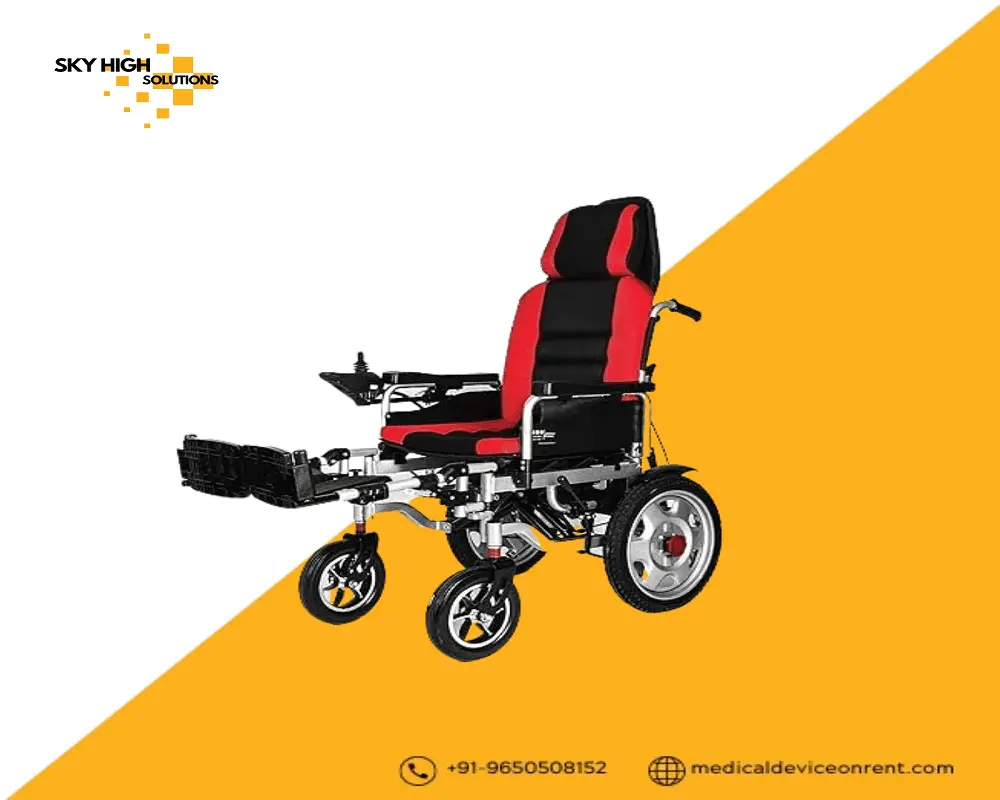
Electric wheelchairs, also known as powered wheelchairs, are operated using a joystick or remote control. They are battery-powered and designed to provide greater independence and comfort.
Key Features of Electric Wheelchairs
- Motorised movement controlled by joystick
- Comfortable seating with armrests and footrests
- Suitable for indoor and outdoor use
- Ideal for long-duration mobility
Electric wheelchairs are especially helpful for elderly users, people with disabilities, or patients recovering from serious illnesses who cannot self-propel a manual wheelchair.
Pros of Electric Wheelchairs
- Minimal physical effort required
- Greater independence and freedom
- Comfortable for long-term use
- Suitable for uneven surfaces and longer distances
Cons of Electric Wheelchairs
- Higher cost compared to manual wheelchairs
- Requires regular charging
- Heavier and less portable
- Slightly higher maintenance
Manual vs Electric Wheelchairs: Key Differences
| Feature | Manual Wheelchair | Electric Wheelchair |
|---|---|---|
| Mobility | Hand-powered | Battery-powered |
| Effort Required | High | Very low |
| Cost | Lower | Higher |
| Independence | Limited | High |
| Portability | Easy | Moderate |
| Maintenance | Minimal | Moderate |
| Best For | Short-term or assisted use | Long-term independent use |
Which Wheelchair Is Right for You?
The right wheelchair depends on several factors, including medical condition, lifestyle, budget, and duration of use.
Choose a Manual Wheelchair If:
- You need short-term mobility support
- You have sufficient upper body strength
- A caregiver is available to assist
- You want a lightweight and portable option
- Budget is a primary concern
Manual wheelchairs are often preferred after surgery, minor injuries, or for occasional use within the home.
Choose an Electric Wheelchair If:
- You have limited arm strength or mobility
- You require long-term wheelchair use
- You want maximum independence
- You need to move outdoors frequently
- Comfort and ease of movement are priorities
Electric wheelchairs are ideal for senior citizens, patients with neurological conditions, spinal injuries, or chronic mobility challenges.
Buying vs Renting a Wheelchair
Many families face the dilemma of whether to buy or rent a wheelchair. Renting can be a smart and cost-effective option, especially for short-term needs.
Benefits of Renting a Wheelchair
- Lower upfront cost
- No long-term maintenance worries
- Ideal for recovery or temporary use
- Easy upgrade or replacement
For patients recovering at home, renting allows access to high-quality equipment without the burden of ownership.
Safety and Comfort Tips
Regardless of the type you choose, comfort and safety should never be compromised.
- Ensure proper seat width and back support
- Adjust footrests and armrests correctly
- Check brakes regularly (manual wheelchairs)
- Keep batteries charged (electric wheelchairs)
- Avoid overloading beyond weight capacity
Proper fitting and regular checks significantly improve user comfort and reduce the risk of injuries.
Final Thoughts
Both manual and electric wheelchairs play a crucial role in improving mobility and quality of life. A manual wheelchair is practical, economical, and easy to use for short durations or assisted movement. An electric wheelchair, on the other hand, offers freedom, comfort, and independence for long-term users with limited physical strength.
Before making a decision, consider the user’s medical condition, daily routine, environment, and whether the need is temporary or long-term. Consulting a healthcare professional can also help in choosing the most suitable option.
If you or your loved one needs advanced mobility support without the high purchase cost, Electric Wheelchairs on rent in Gurgaon are a convenient and reliable solution offered by MedicalDeviceOnRent.com, ensuring comfort, safety, and timely support right at your doorstep.