
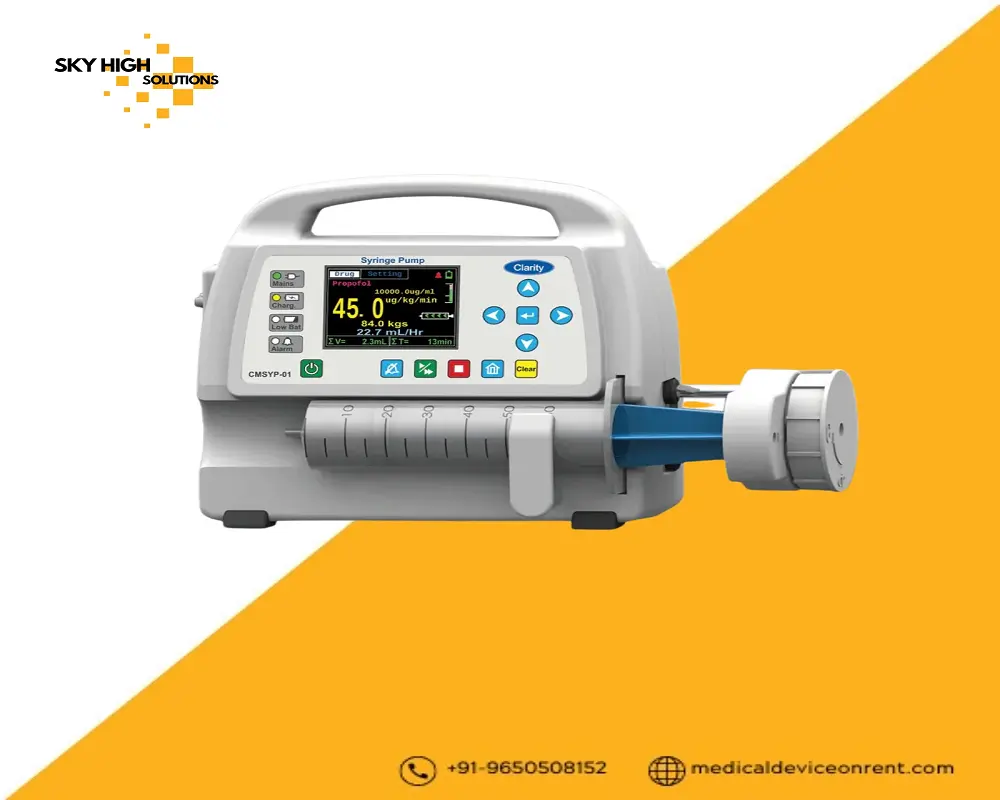
Syringe pumps play a crucial role in modern healthcare by delivering precise and controlled amounts of medication, fluids, or nutrients directly into a patient’s bloodstream. These devices are widely used in ICUs, operation theatres, neonatal care units, oncology wards, and home care settings. While syringe pumps are highly reliable, they are not immune to technical or operational issues.
Understanding common syringe pump problems—and knowing how to fix or prevent them—can improve patient safety, reduce downtime, and extend the life of the equipment. This guide explains the most frequent syringe pump issues in simple terms and provides practical solutions that caregivers, nurses, and healthcare providers can follow.
Why Syringe Pump Accuracy Matters
A syringe pump delivers medication in very small, controlled volumes over a specific period. Even a minor malfunction can lead to under-infusion or over-infusion, which may affect patient outcomes—especially in critical care or pediatric cases. That’s why recognizing problems early and resolving them properly is essential.
1. Occlusion Alarm Issues
The Problem
One of the most common syringe pump problems is the occlusion alarm. This alarm activates when the pump detects resistance in the flow path, indicating a blockage or obstruction.
Common Causes
- Kinked or bent IV tubing
- Blocked catheter
- Clotted medication line
- Incorrect syringe placement
- High-viscosity medications
How to Fix It
- Check the entire infusion line for kinks or bends
- Flush the catheter (if clinically appropriate)
- Ensure the syringe is seated correctly in the pump
- Use the correct syringe size recommended by the pump manufacturer
- Adjust occlusion pressure settings if allowed
Prevention Tip
Always inspect tubing before starting infusion and avoid tight taping around the IV line.
2. Syringe Misalignment or Improper Loading
The Problem
If the syringe is not positioned properly, the pump may fail to deliver medication or trigger frequent alarms.
Common Causes
- Syringe not locked into place
- Using an incompatible syringe brand
- Incorrect plunger positioning
- Loose syringe barrel clamp
How to Fix It
- Remove the syringe and reload it carefully
- Ensure the plunger is aligned with the pump driver
- Use manufacturer-approved syringe sizes
- Confirm the syringe barrel is securely clamped
Prevention Tip
Always follow the loading instructions provided with the syringe pump and double-check alignment before starting.
3. Inaccurate Flow Rate or Dosage Errors
The Problem
The syringe pump delivers medication at a rate different from the programmed setting.
Common Causes
- Wrong syringe size selected in settings
- Incorrect programming of infusion rate
- Calibration issues
- Mechanical wear and tear
How to Fix It
- Verify the syringe size entered in the pump matches the actual syringe
- Recheck infusion rate and volume settings
- Restart the pump and reprogram carefully
- Schedule professional calibration if the issue persists
Prevention Tip
Always double-check pump settings during shift changes and before starting infusion.
4. Battery Failure or Power Issues
The Problem
The syringe pump shuts down unexpectedly or does not hold charge.
Common Causes
- Old or degraded battery
- Not charging the pump fully
- Power adapter issues
- Frequent use without proper charging cycles
How to Fix It
- Plug the pump into a reliable power source
- Replace the battery if it no longer holds charge
- Use only compatible chargers
- Avoid running the pump until battery is completely drained repeatedly
Prevention Tip
Keep the pump plugged in whenever possible and perform routine battery checks.
5. Frequent or False Alarms
The Problem
The syringe pump triggers alarms even when there appears to be no visible issue.
Common Causes
- Sensor sensitivity settings too high
- Loose syringe placement
- Minor air bubbles
- Software glitches
How to Fix It
- Reseat the syringe properly
- Remove visible air bubbles from the line
- Check alarm threshold settings
- Restart the pump to reset internal sensors
Prevention Tip
Handle the pump gently and avoid unnecessary movement during operation.
6. Air-in-Line Detection Problems
The Problem
The pump stops infusion due to air detected in the infusion line.
Common Causes
- Improper priming of the line
- Loose syringe connections
- Empty or nearly empty syringe
- Micro air bubbles in medication
How to Fix It
- Prime the infusion line properly before starting
- Tighten all connections securely
- Refill or replace the syringe if nearly empty
- Gently tap the tubing to release air bubbles
Prevention Tip
Always prime the syringe and tubing thoroughly before connecting to the patient.
7. Pump Not Starting or Sudden Shutdown
The Problem
The syringe pump fails to start or stops during infusion.
Common Causes
- Software error
- Power failure
- Improper syringe loading
- Internal hardware malfunction
How to Fix It
- Turn off the pump and restart it
- Check battery and power supply
- Reload the syringe
- If the issue continues, remove the pump from service and arrange technical support
Prevention Tip
Perform a basic functional check before each use.
8. Display or Keypad Malfunction
The Problem
The screen does not respond, freezes, or shows incorrect information.
Common Causes
- Moisture exposure
- Physical damage
- Software bugs
- Excessive cleaning fluid seepage
How to Fix It
- Restart the pump
- Clean the keypad with a dry or lightly damp cloth
- Avoid spraying liquid cleaners directly on the device
- If unresolved, seek professional servicing
Prevention Tip
Always clean according to manufacturer guidelines and keep the pump dry.
9. Mechanical Wear and Tear
The Problem
Over time, mechanical components such as the plunger driver or syringe clamp may wear out.
Common Causes
- Long-term continuous use
- Lack of regular maintenance
- Using incompatible accessories
How to Fix It
- Schedule preventive maintenance
- Replace worn components through authorized service providers
- Avoid makeshift repairs
Prevention Tip
Routine servicing can significantly extend the lifespan of a syringe pump.
10. Compatibility Issues with Syringes or Accessories
The Problem
The pump does not recognize the syringe or fails to operate smoothly.
Common Causes
- Using non-approved syringe brands
- Incorrect syringe size
- Deformed syringe barrel
How to Fix It
- Use syringes recommended by the pump manufacturer
- Replace damaged syringes
- Reconfirm syringe size settings
Prevention Tip
Standardize syringe brands across your facility whenever possible.
Importance of Regular Maintenance and Training
Many syringe pump problems can be avoided with:
- Proper staff training
- Regular preventive maintenance
- Routine inspection before each use
- Following manufacturer instructions carefully
Healthcare facilities should also maintain service records and ensure timely calibration.
When to Repair vs. Replace a Syringe Pump
If problems persist despite troubleshooting, it may be more cost-effective to repair or replace the device. For short-term needs, temporary setups, or home care patients, renting a syringe pump is often a smarter and more economical choice than purchasing a new one.
Final Thoughts
Syringe pumps are essential medical devices that demand accuracy, reliability, and proper handling. Understanding common syringe pump problems and their solutions empowers healthcare professionals and caregivers to respond quickly, minimize risks, and ensure uninterrupted patient care. Early detection, correct usage, and regular maintenance are the keys to avoiding most issues.
If you are looking for reliable, well-maintained syringe pumps for short-term or long-term use, Medical Device on Rent offers quality medical equipment solutions designed to support hospitals, clinics, and home care patients with safety and convenience.