
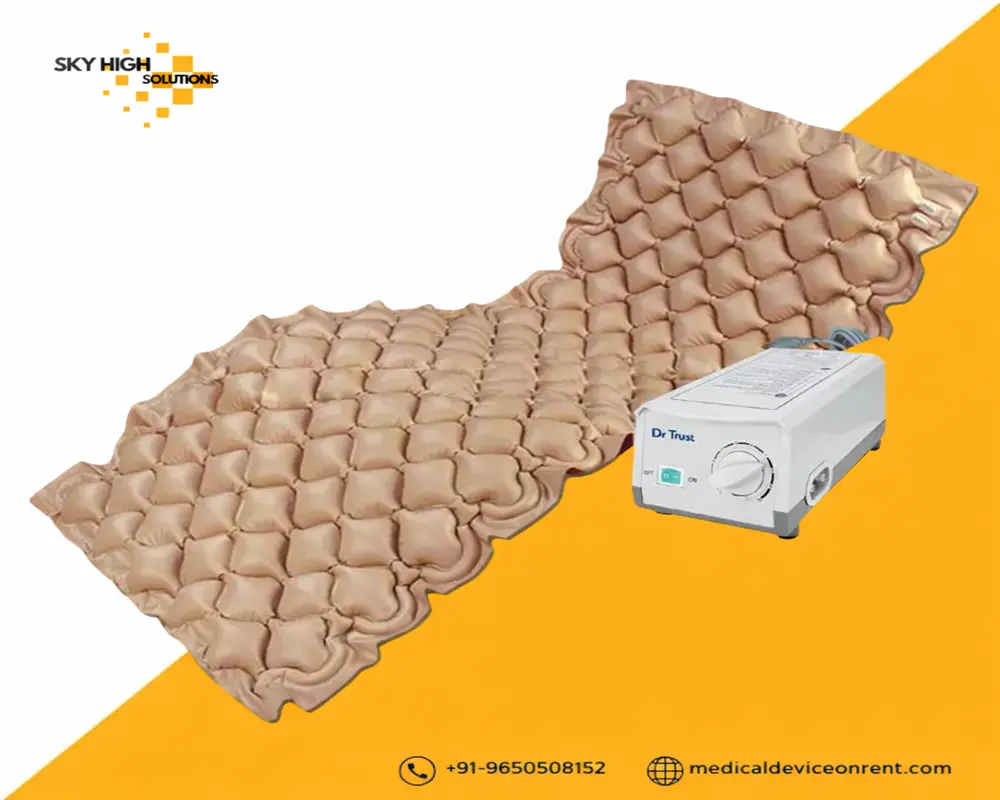
An air mattress designed for medical use is an essential support system for patients who are bedridden, recovering from surgery, elderly individuals, or those with limited mobility. Unlike regular mattresses, a medical air mattress helps reduce pressure on the body, improves blood circulation, and significantly lowers the risk of bed sores (pressure ulcers). However, to get the maximum benefit, it is very important to use an air mattress correctly and safely.
What Is a Medical Air Mattress?
A medical air mattress, also known as an alternating pressure mattress, is designed to distribute body weight evenly by continuously changing air pressure in different sections. This alternating pressure reduces prolonged stress on any one part of the body, which is the main cause of bed sores.
These mattresses are commonly used for:
- Bedridden patients
- Post-surgery recovery
- Elderly care
- Paralysis or limited mobility cases
- Long-term home care patients
Benefits of Using an Air Mattress
Before understanding safety guidelines, it is important to know why air mattresses are recommended:
- Helps prevent bed sores and pressure ulcers
- Improves blood circulation
- Reduces pain and discomfort
- Supports long-term patient care at home
- Easy to install and operate
- Cost-effective when rented for short or long durations
When used properly, an air mattress can significantly improve a patient’s quality of life.
Choosing the Right Air Mattress
Safety starts with selecting the correct air mattress for the patient’s needs. Consider the following factors:
- Patient weight capacity: Always check the maximum weight limit supported by the mattress
- Severity of immobility: Patients with complete immobility need alternating pressure mattresses
- Duration of use: Long-term patients require more durable, medical-grade mattresses
- Pump quality: Ensure the air pump is quiet, stable, and reliable
Choosing the right product ensures both safety and comfort.
Proper Installation of an Air Mattress
Correct installation is crucial for safe use.
- Place the air mattress on a flat, stable hospital bed or regular bed frame.
- Ensure the mattress is laid evenly without folds or twists.
- Connect the air pipes securely to the pump.
- Place the pump on a stable surface or hang it using the provided hooks.
- Plug the pump into a reliable power source.
Make sure the air tubes are not bent, pinched, or placed under the mattress, as this can block airflow.
Setting the Right Air Pressure
Incorrect air pressure can reduce the effectiveness of the mattress and cause discomfort.
- Adjust the pressure according to the patient’s weight
- The mattress should feel firm but not hard
- The patient should not sink completely into the mattress
- You should be able to slide two fingers under the patient’s body comfortably
Regularly check pressure settings, especially if the patient’s position changes.
Positioning the Patient Safely
Even with an air mattress, proper positioning is essential.
- Ensure the patient is lying centrally on the mattress
- Avoid placing sharp objects or medical equipment directly on the mattress
- Change the patient’s position slightly every few hours if advised by a doctor
- Use pillows to support the head, knees, or sides for added comfort
Correct positioning reduces strain and improves circulation.
Maintaining Hygiene and Cleanliness
Hygiene is a key part of safe air mattress usage.
- Clean the mattress surface regularly with a mild disinfectant
- Use a waterproof mattress cover or bedsheet
- Immediately clean any spills to prevent moisture damage
- Ensure the mattress is completely dry before use
Proper cleaning helps prevent infections and extends the life of the mattress.
Electrical Safety Tips
Since air mattresses work using an electric pump, electrical safety should not be ignored.
- Use a stable power supply
- Avoid using extension cords if possible
- Keep the pump away from water or damp areas
- Do not overload the socket with multiple devices
- Turn off the pump before cleaning or adjusting connections
If you notice unusual noise, overheating, or air leakage, stop using the mattress and contact the service provider.
Regular Inspection and Monitoring
Daily checks help avoid sudden issues.
- Inspect air pipes for leaks or cracks
- Ensure the pump is functioning smoothly
- Check if air chambers are inflating and deflating properly
- Monitor the patient’s skin condition regularly
Early detection of problems ensures uninterrupted patient care.
Common Mistakes to Avoid
To ensure safety, avoid these common errors:
- Using a regular bedsheet that blocks air flow
- Placing heavy objects on the mattress
- Ignoring pressure settings
- Using the mattress without medical guidance for critical patients
- Continuing use despite visible damage or malfunction
Avoiding these mistakes ensures better performance and patient safety.
When to Consult a Healthcare Professional
Always consult a doctor or physiotherapist if:
- The patient develops redness or sores despite using the mattress
- The patient complains of discomfort or pain
- You are unsure about pressure settings
- The patient’s medical condition changes
Professional advice ensures correct and safe usage.
Final Thoughts
A medical air mattress is a valuable investment in patient comfort and recovery when used correctly. From proper installation and pressure adjustment to hygiene and regular monitoring, every step plays an important role in ensuring safety. With the right care and attention, an air mattress can make long-term home care much easier and more effective for both patients and caregivers.
If you are looking for a reliable air mattress for home use, Medical Device on Rent offers high-quality medical air mattresses on rent at affordable prices. For expert guidance, flexible rental plans, and doorstep support, Contact Us today at Medical Device on Rent and ensure safe, comfortable, and professional home care for your loved ones.
Frequently Asked Questions (FAQs)
1. How long should an air mattress be used for a bedridden patient?
A medical air mattress can be used for both short-term and long-term care, depending on the patient’s condition. As long as the mattress is functioning properly and the patient is comfortable, it can be safely used for extended periods with regular monitoring and maintenance.
2. Can an air mattress completely prevent bed sores?
An air mattress significantly reduces the risk of bed sores by alternating pressure and improving blood circulation. However, it should be used along with proper patient positioning, skin care, hygiene, and medical guidance for best results.
3. Is it safe to use an air mattress continuously with the pump on?
Yes, medical air mattresses are designed for continuous use. The pump should remain on at all times to maintain alternating pressure. Turning off the pump for long periods can reduce effectiveness and comfort.
4. How often should I clean a medical air mattress?
The mattress surface should be cleaned daily or whenever it gets soiled. Use a mild disinfectant and a soft cloth. Regular cleaning helps maintain hygiene and prevents infections.
5. What should I do if the air mattress stops inflating properly?
First, check the power supply, air pipes, and connections. If the issue persists, stop using the mattress and contact the rental or service provider immediately to avoid discomfort or risk to the patient.